
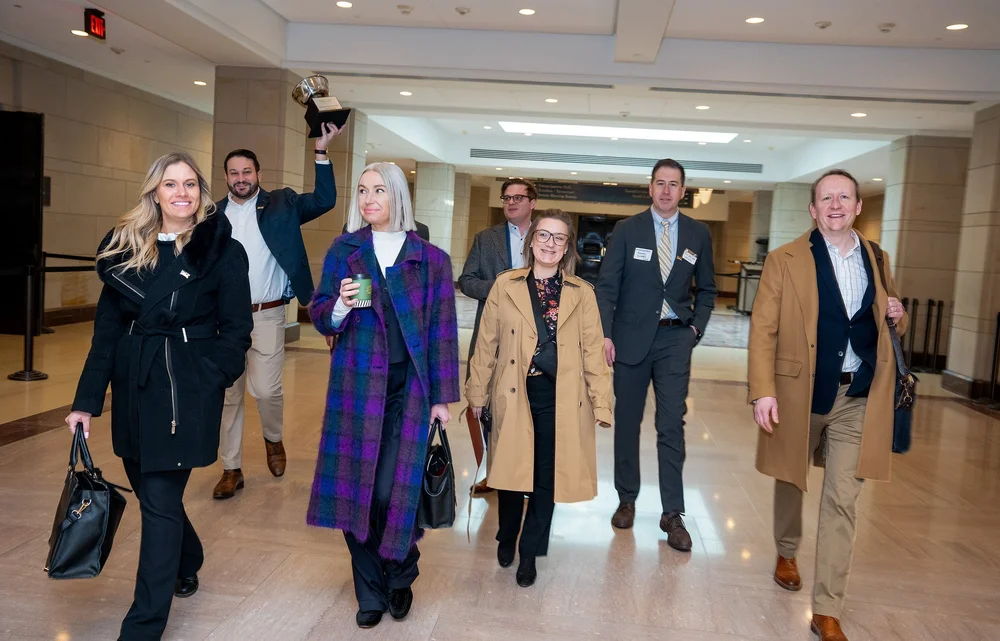
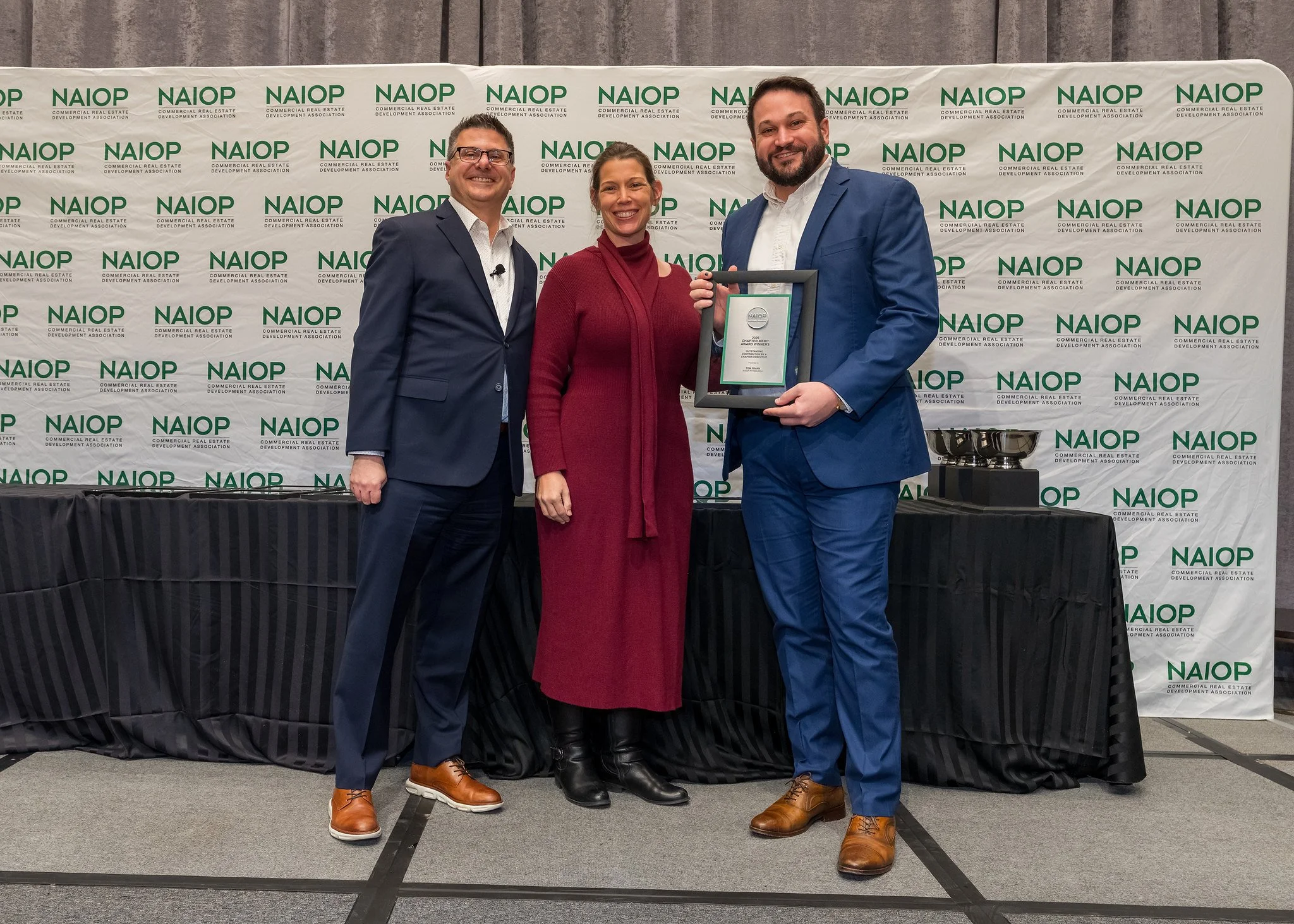
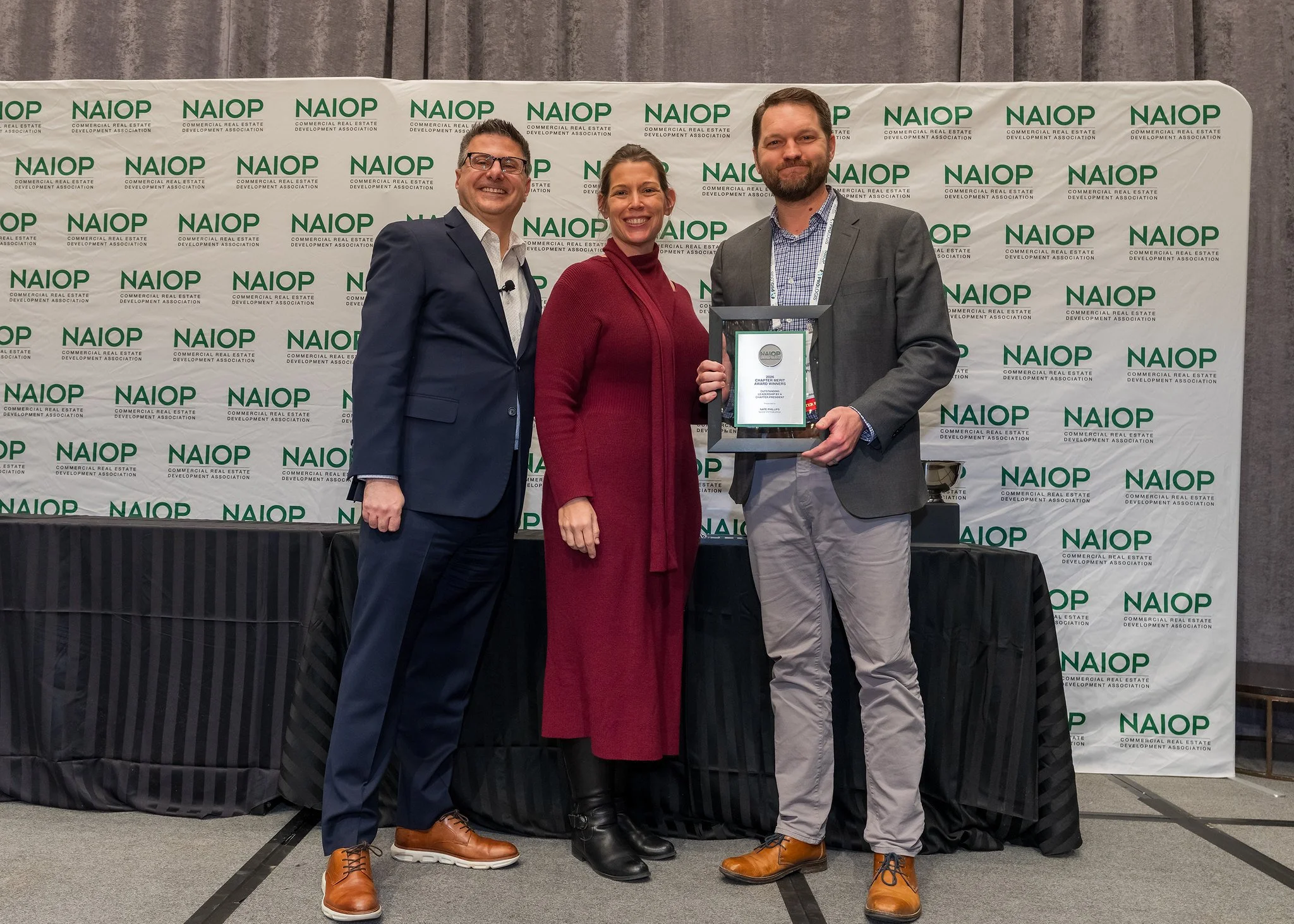
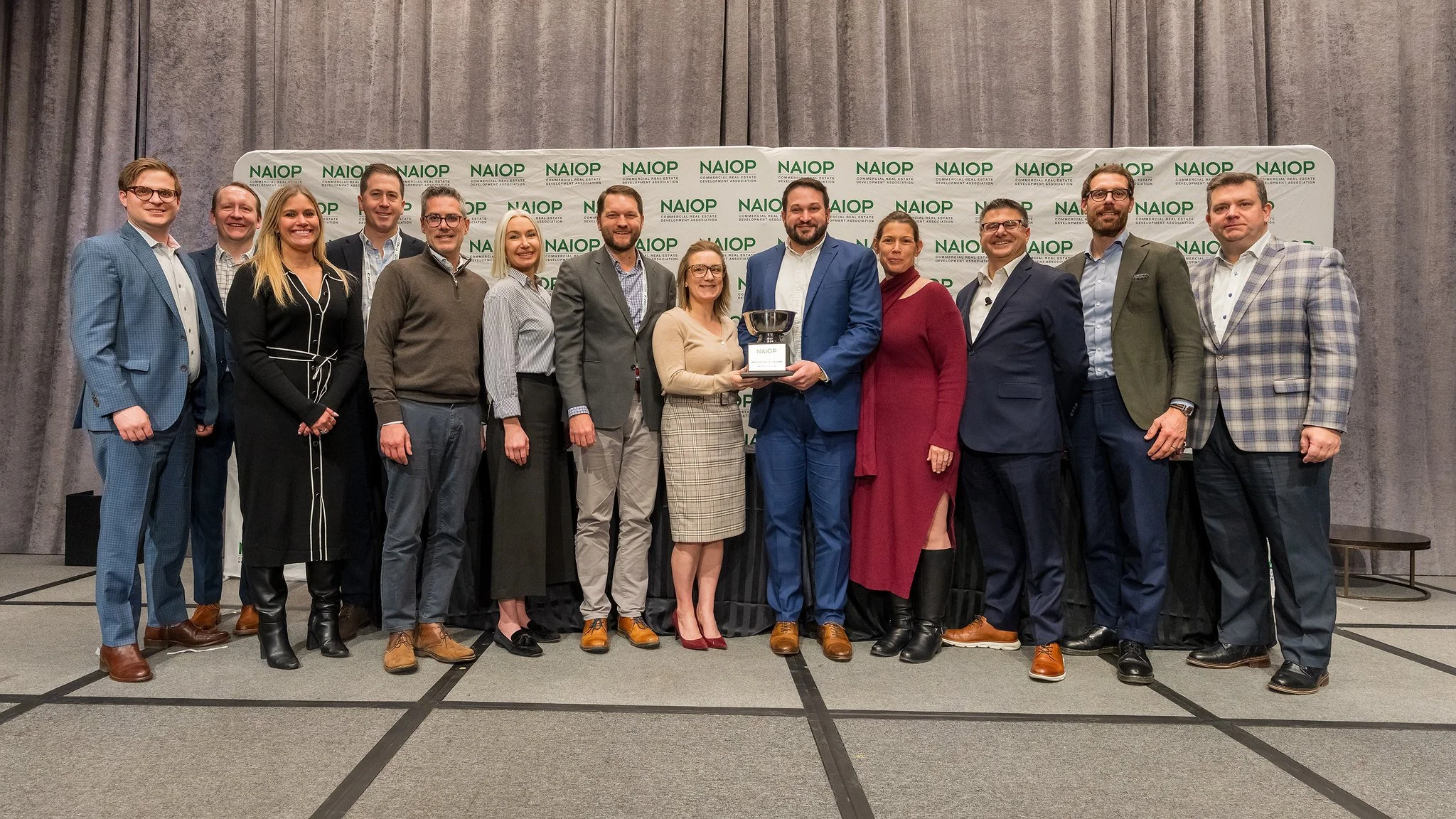
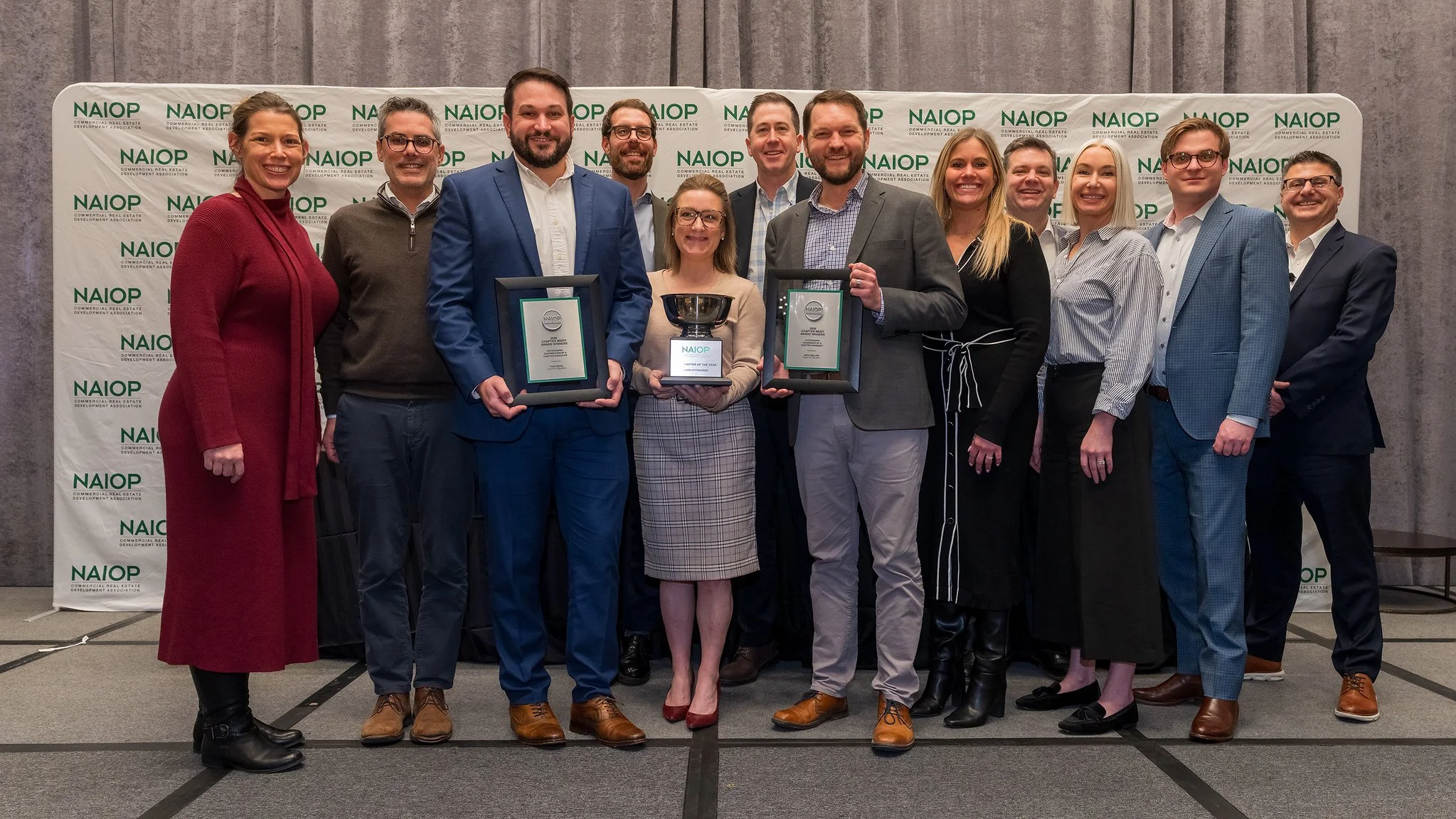
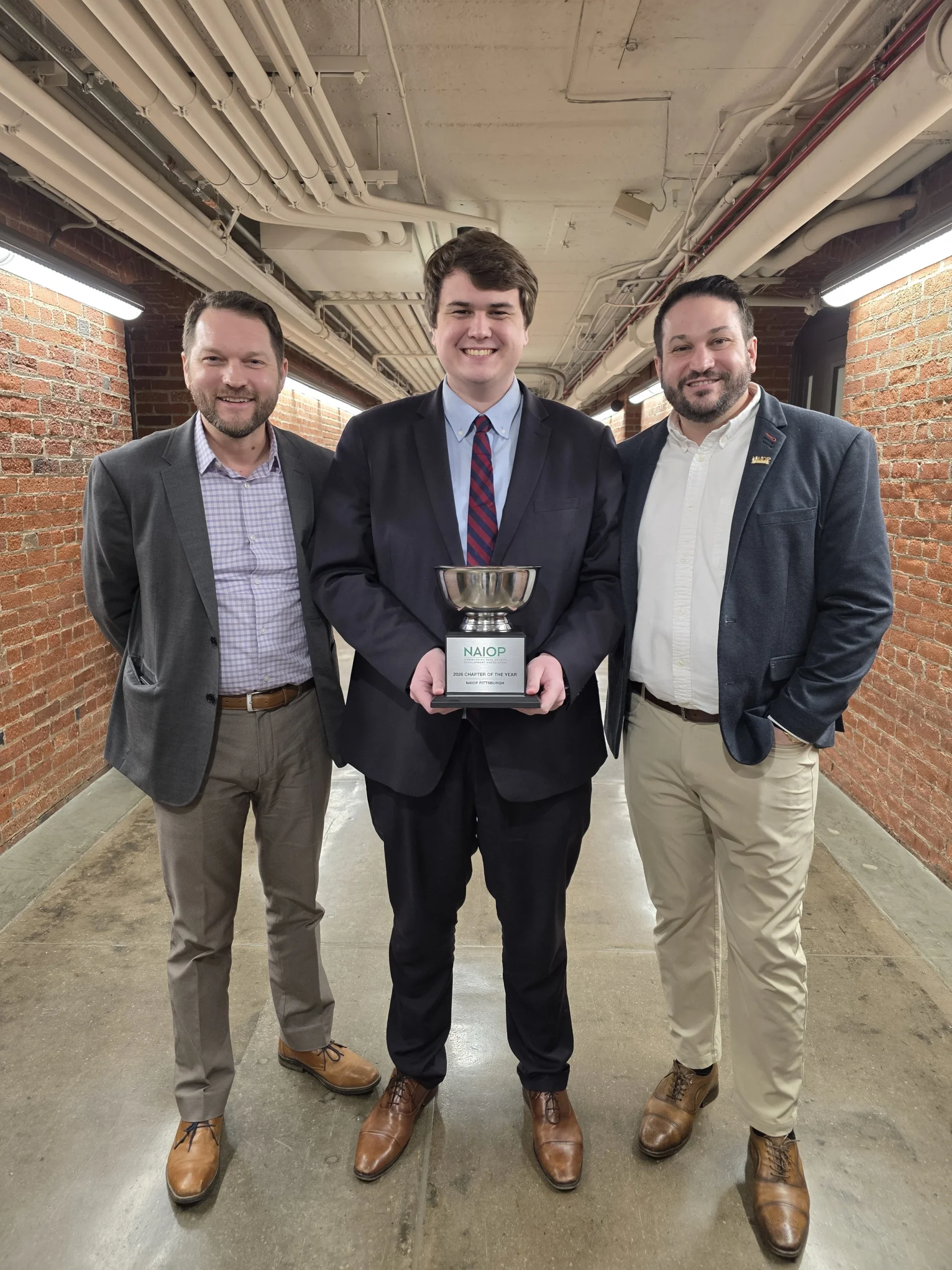
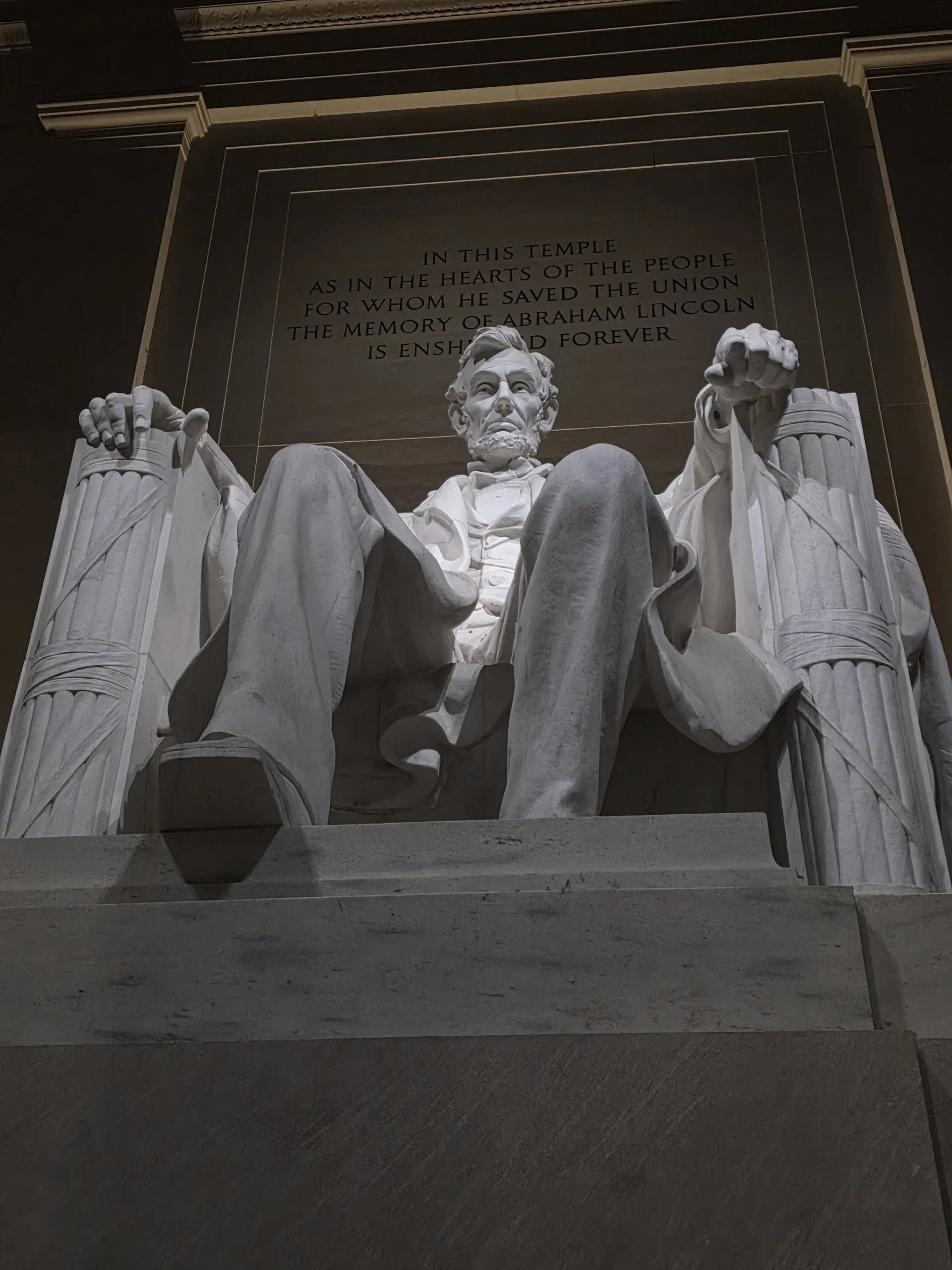
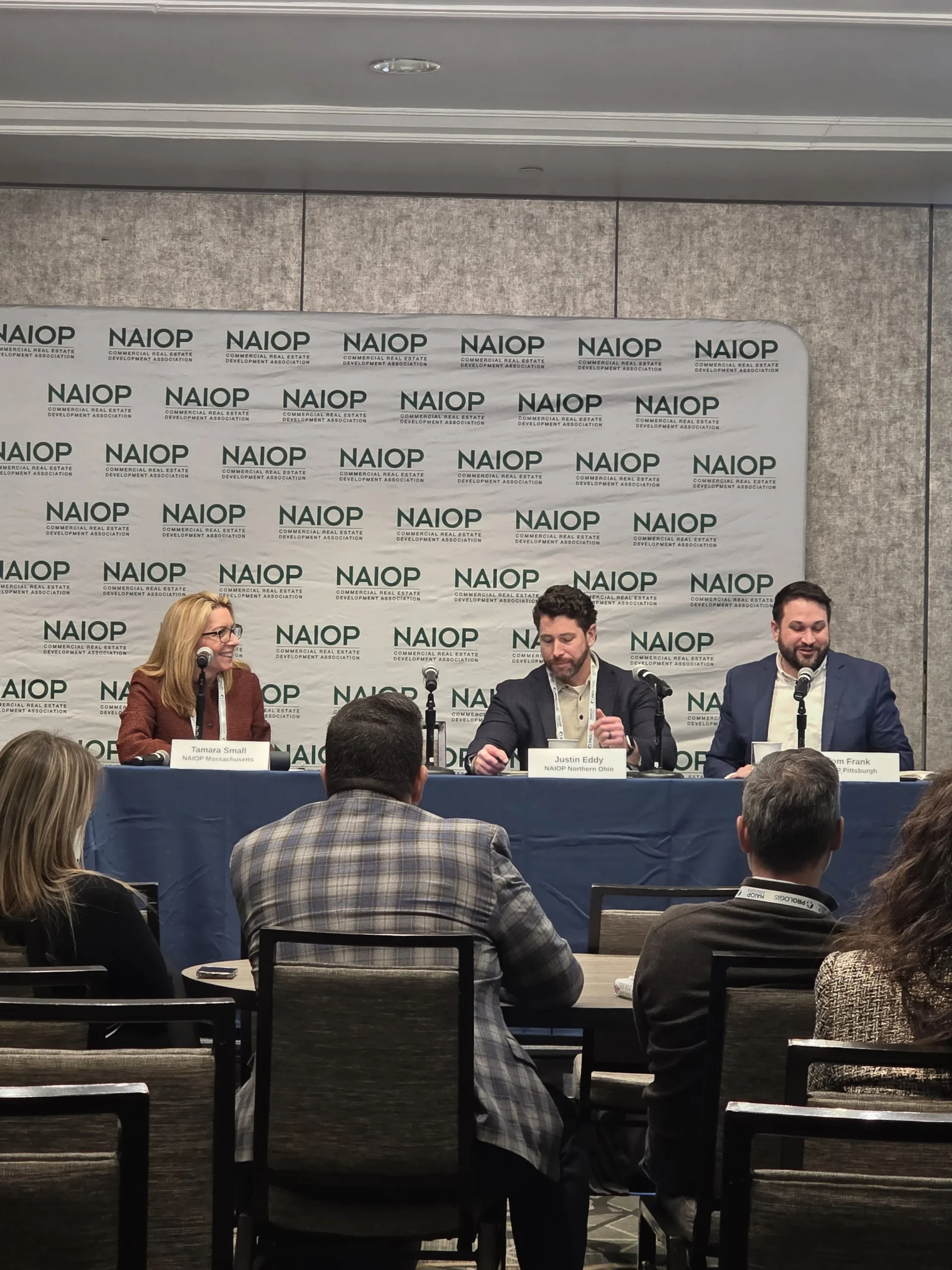

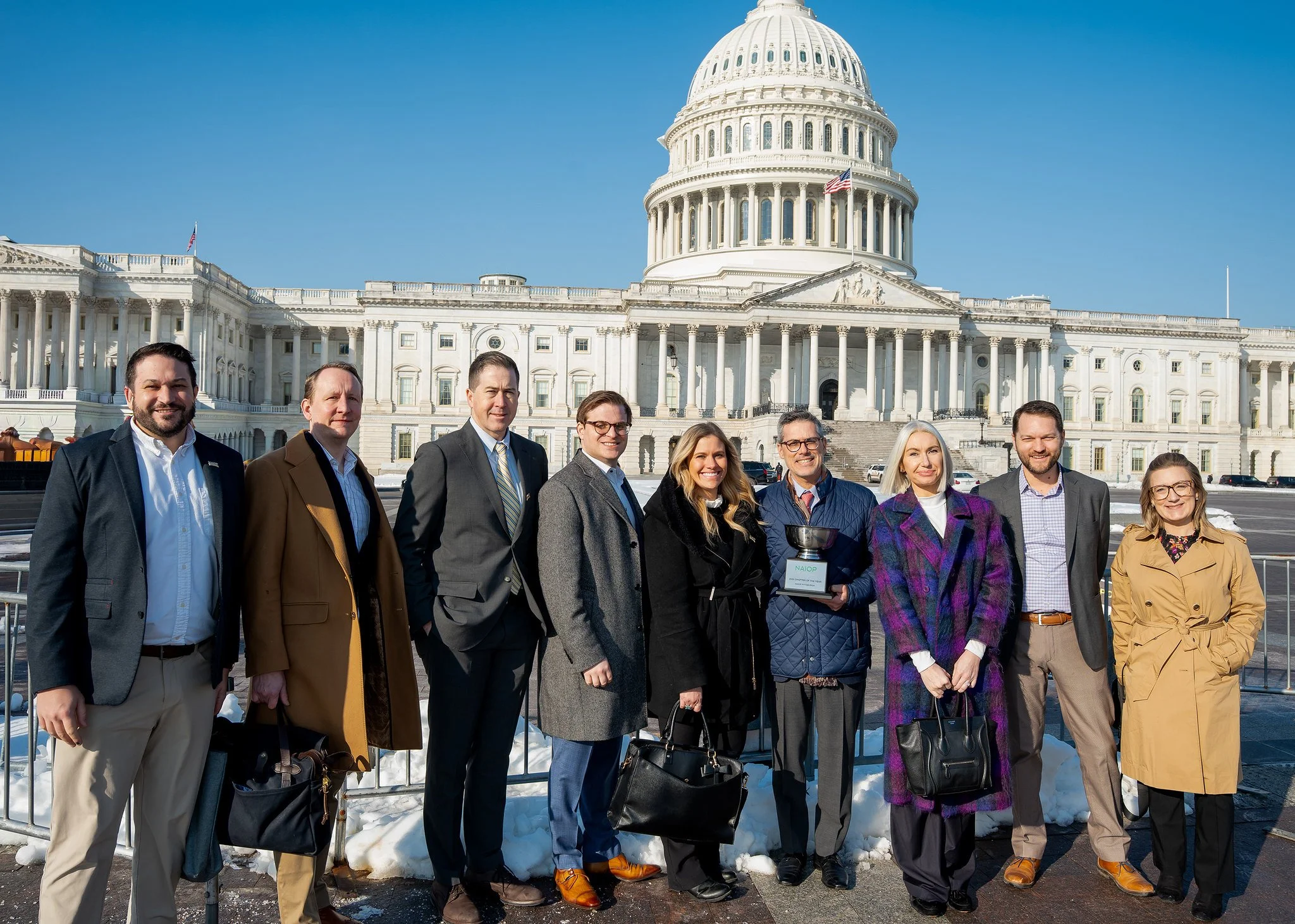
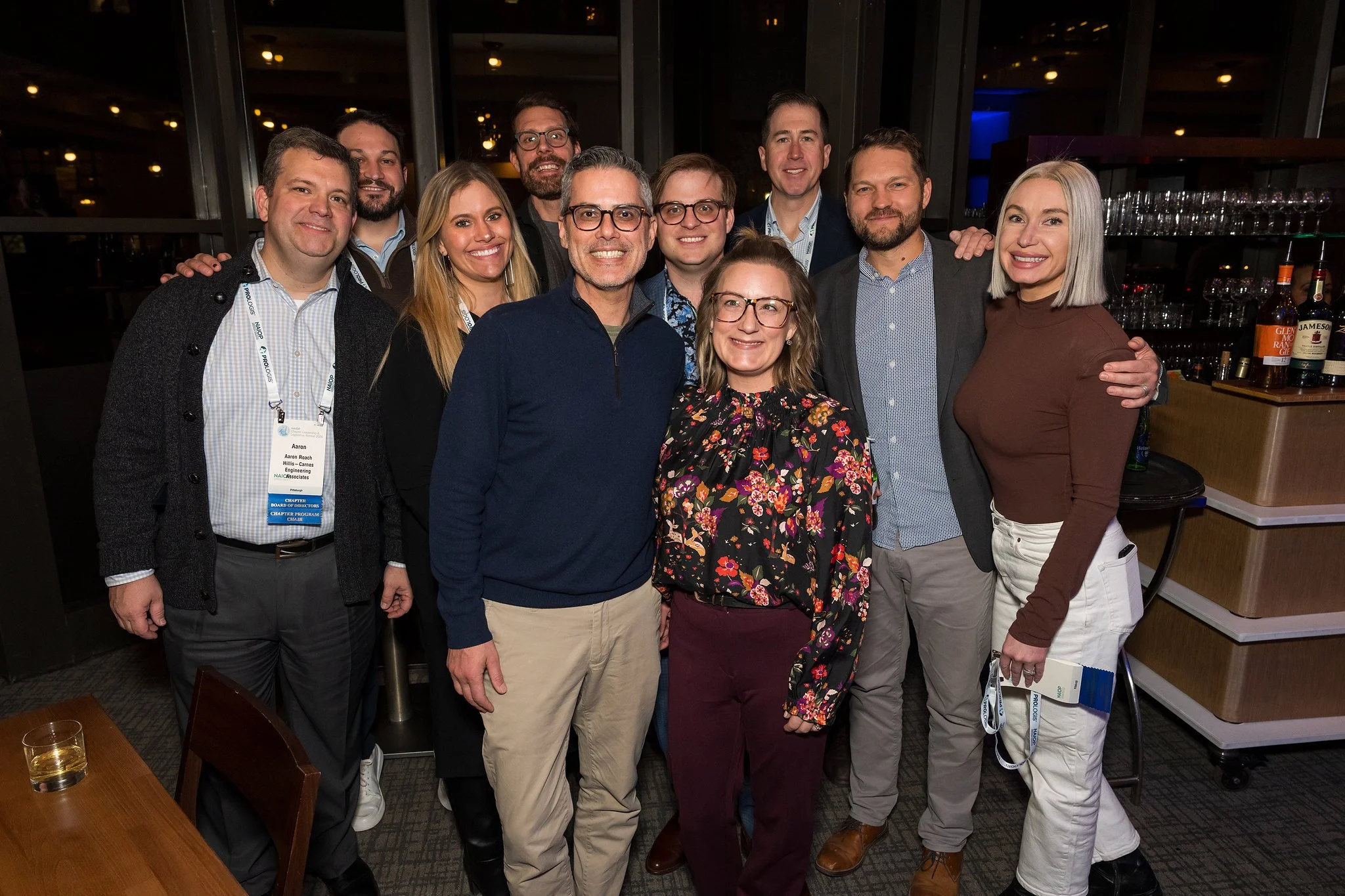
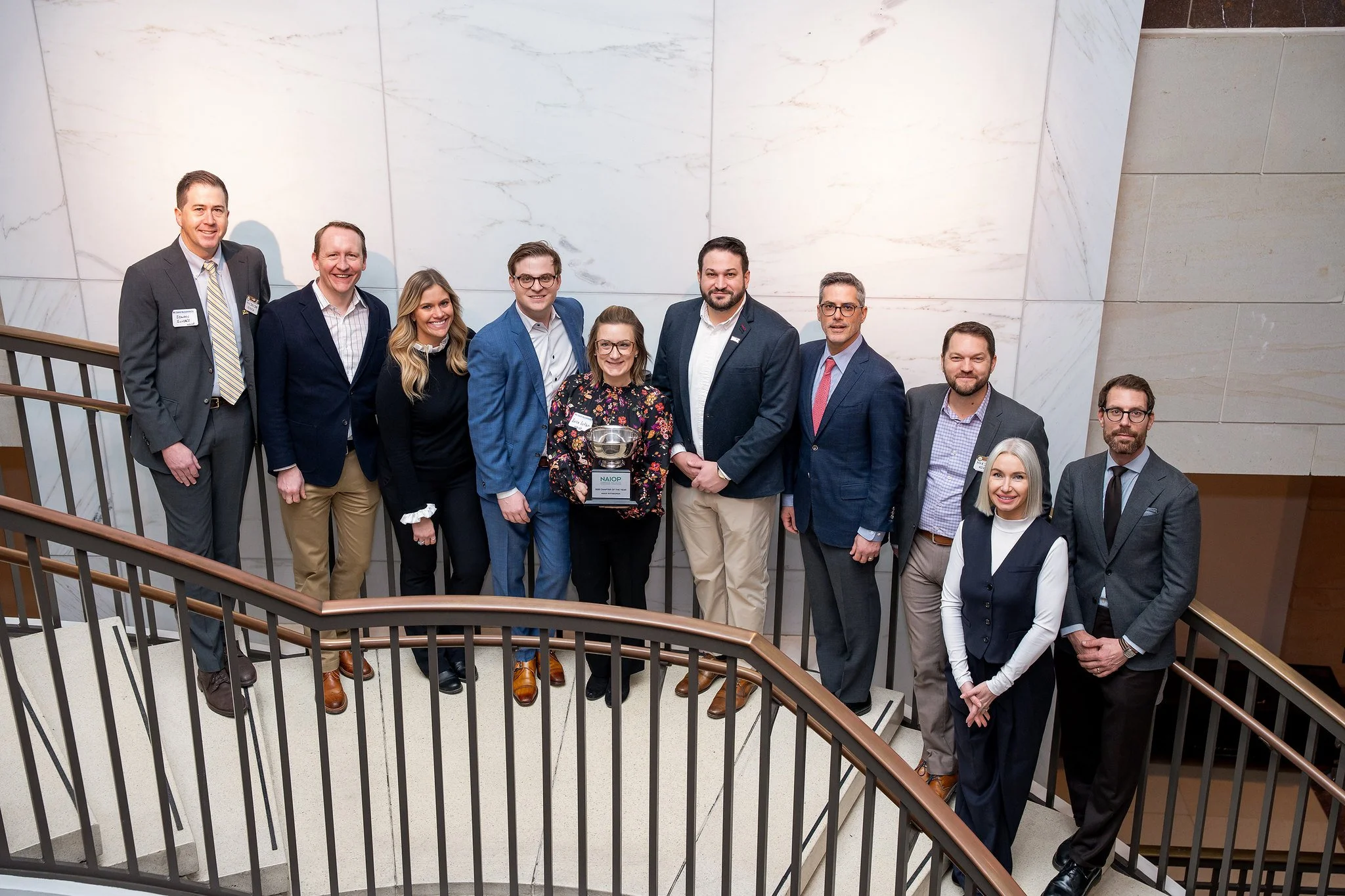
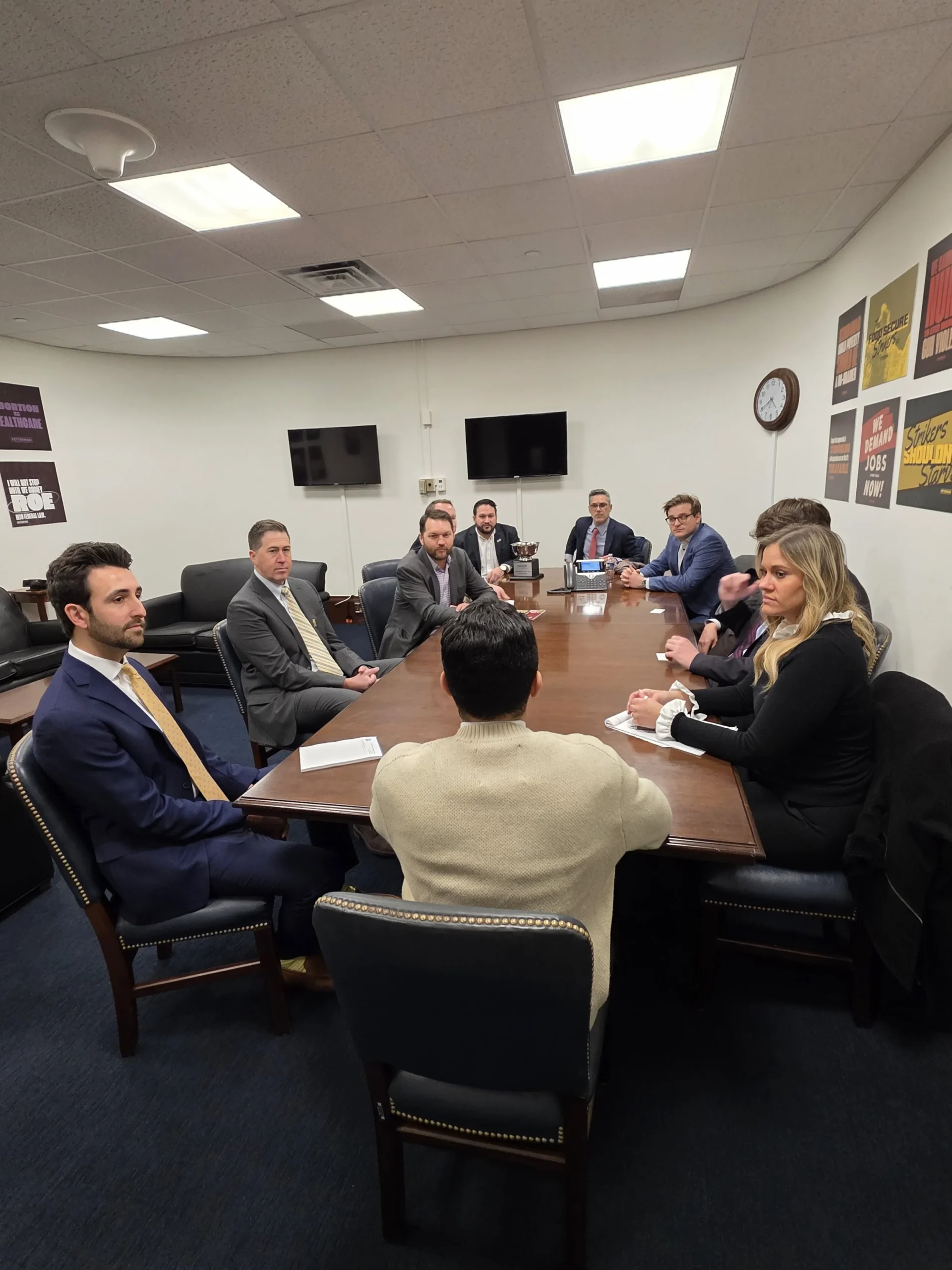
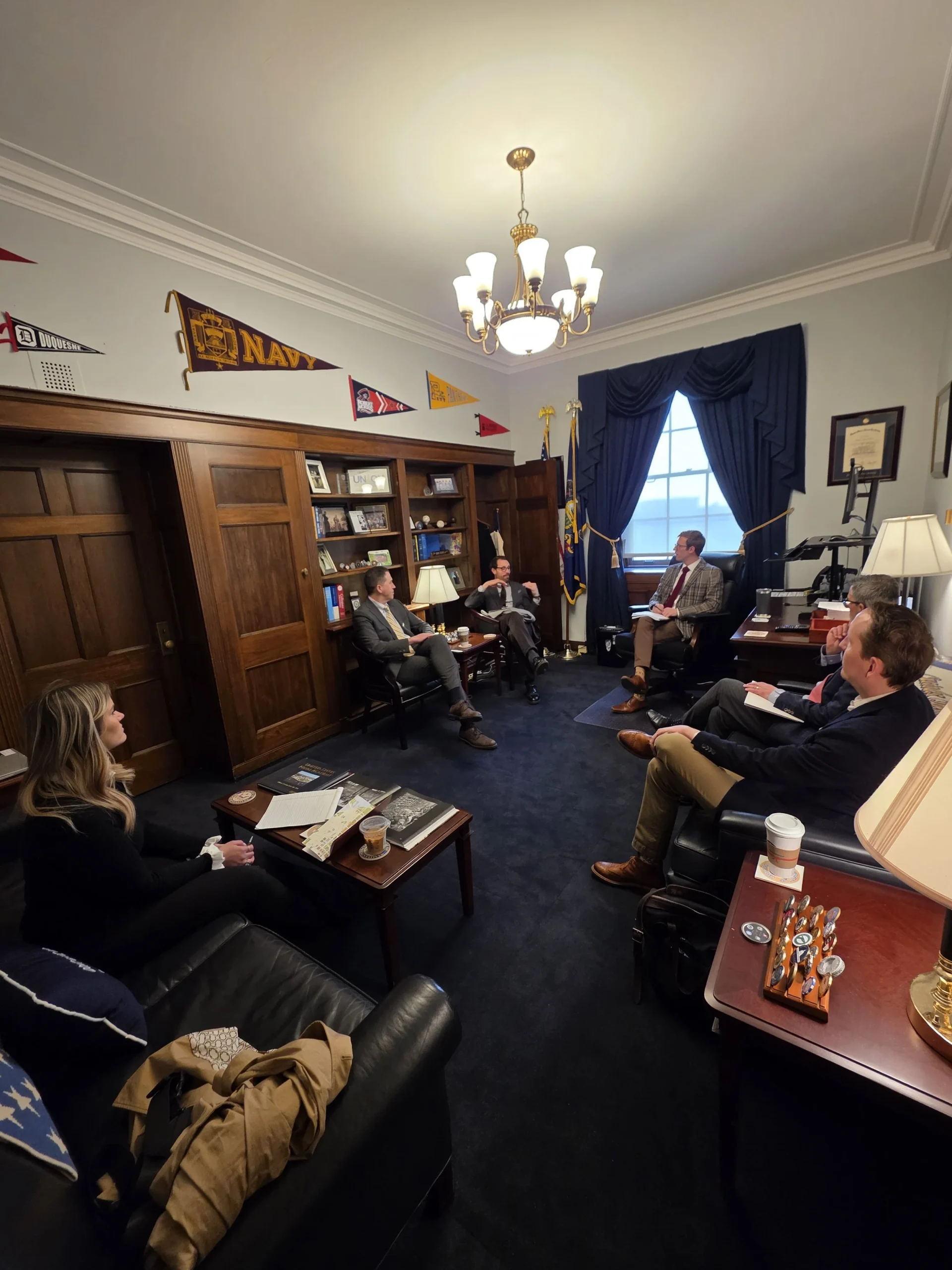
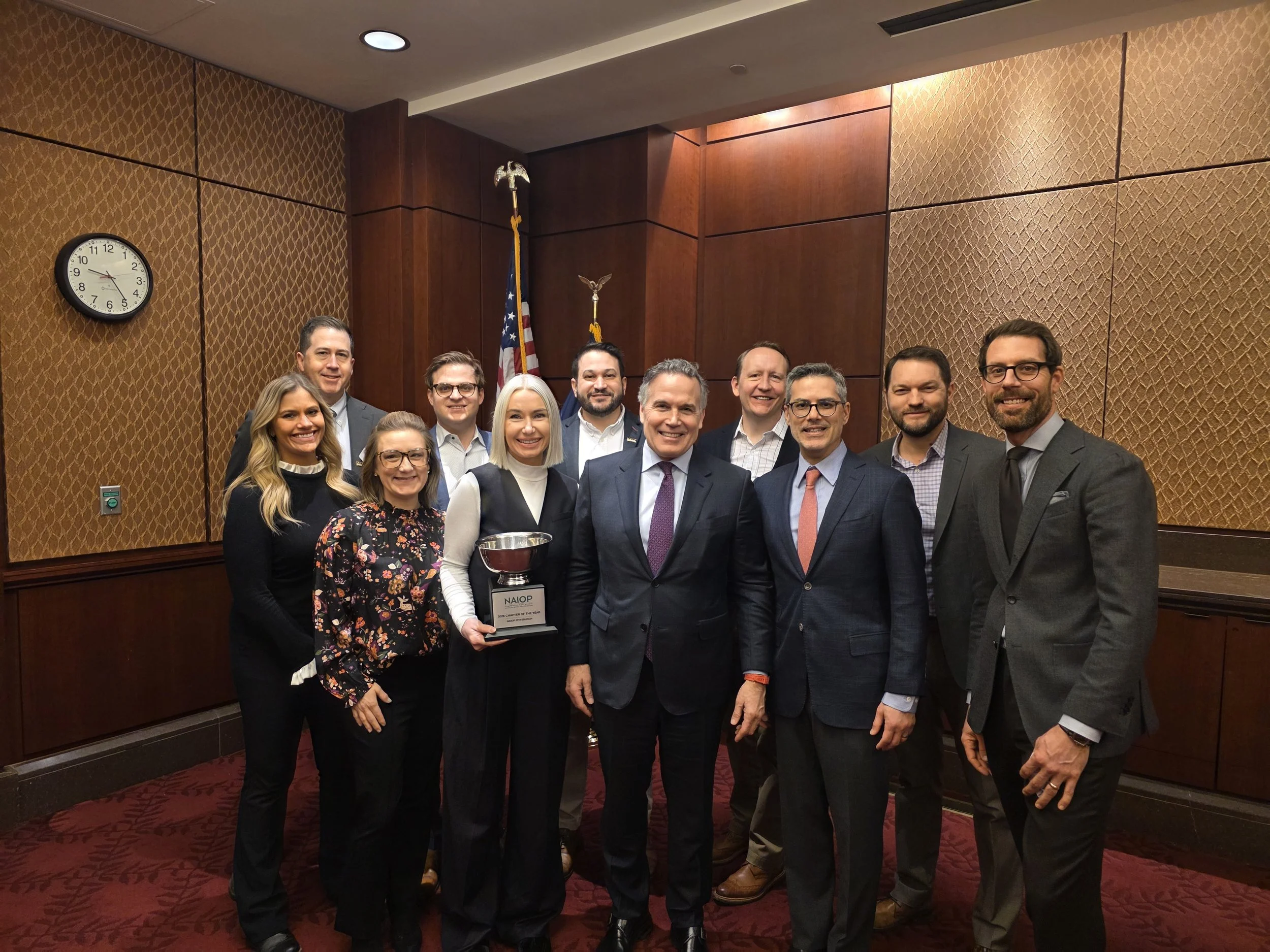
In early February, NAIOP Pittsburgh traveled to Washington, D.C., to meet with Pennsylvania’s congressional delegation and advocate for critical commercial real estate policies. Our delegation included: Chapter Executive Director Tom Frank, Chapter Administrator Erica Loftus, Chapter President Nate Phillips, Chapter Past President and NAIOP National Board Member Brandon Snyder, Board Members Jackie Bezek, Clayton Morris, Kelsey Kanspedos, and Ben Kelley, Advocacy Committee Member Lance Chimka, and NAIOP Pittsburgh Lobbyist David Caliguiri of C&G Strategies.
Meetings with Pennsylvania Leadership
Our team met with Senator McCormick and representatives from the offices of Congressman Reschenthaler, Congressman Deluzio, and Senator Fetterman. These productive conversations focused on three key priorities affecting the commercial real estate industry and economic development in Pittsburgh, Pennsylvania, and across the nation.
Our 2026 Federal Advocacy Priorities:
-
Adaptive Reuse and Housing Affordability
We urged Congress to pass the Revitalizing Downtowns and Main Streets Act (H.R. 2410), which would create a 20% tax credit to offset the costs of converting vacant commercial buildings into residential housing. With office vacancy rates at a three-decade high of 20.1% and a shortage of 4.3 million rental housing units needed by 2035, this bipartisan legislation offers communities a vital tool to address both challenges simultaneously. -
Electrification and Energy Policy
We advocated for comprehensive federal energy policies to meet surging electricity demand, including investment in grid expansion and modernization, permitting reform for energy projects, and increased regional coordination. Many commercial real estate projects are currently being delayed or abandoned because utilities cannot guarantee sufficient electricity capacity for data centers, manufacturing facilities, and other critical developments. -
Transportation and Infrastructure
We called on Congress to pass an early reauthorization of surface transportation programs before they expire on September 30, 2026, with at least current funding levels maintained and streamlined permitting processes. Modern, efficient infrastructure is essential for commercial real estate development, and timely reauthorization provides the certainty states and localities need to plan multiyear projects.
Stay tuned for more advocacy updates and head over to the advocacy page on our website to learn more!